Director Kore-eda Hirokazu Highlights Japanese Cinema's Global Rise at Tokyo's Women in Motion Event
· GlobeWire Daily Entertainment Desk · Source: variety.com
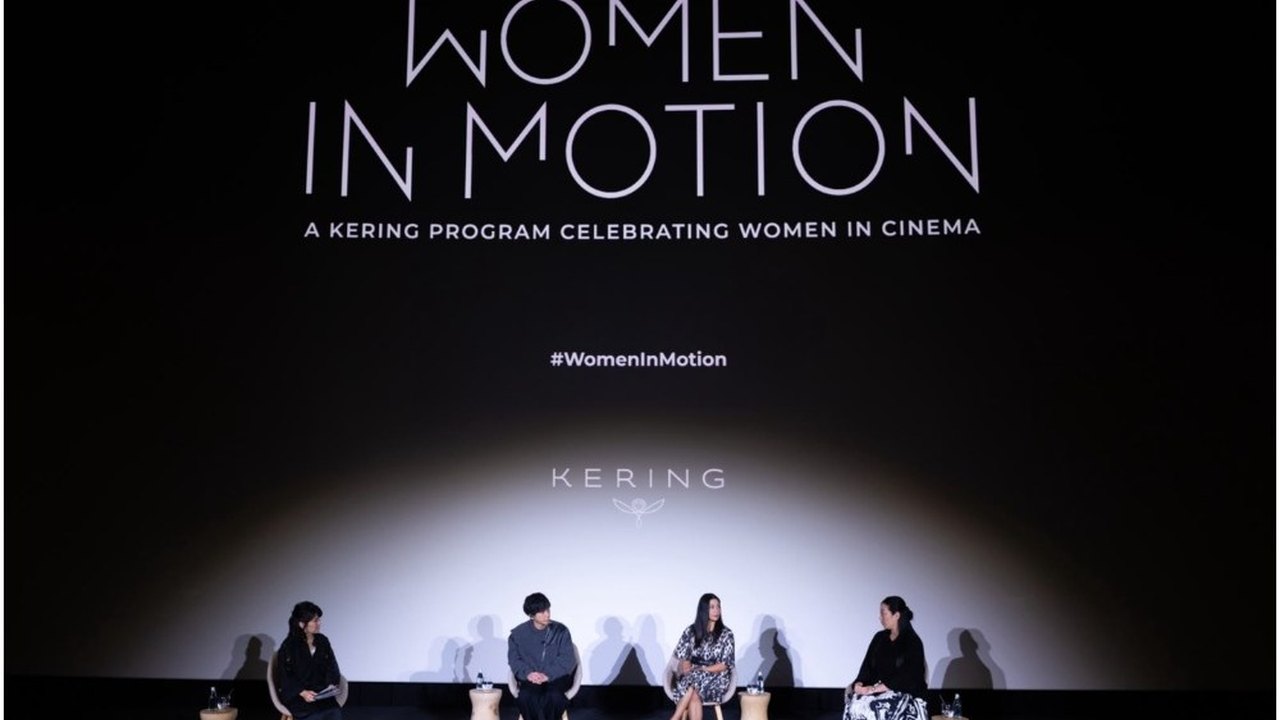
Image: Mark Schilling — Creative Commons
Director Kore-eda Hirokazu Highlights Japanese Cinema's Global Rise at Tokyo's Women in Motion Event
Renowned filmmaker Kore-eda Hirokazu recently pointed to a notable shift in international perception surrounding Japanese cinema, noting that global audiences and festivals are showing heightened enthusiasm for works originating from the country. Speaking at the Kering Women in Motion talk event held at Toho Cinemas Roppongi Hills as an allied program of the Tokyo International Film Festival, Kore-eda credited the momentum to younger generations of directors and cumulative international recognition.
"In recent years, I’ve been hearing people at international film festivals say, ‘Japanese films are really interesting right now.’ That’s a sentiment we didn’t hear 10 years ago," Kore-eda told a packed crowd. He added that directors in their 20s and 30s, spearheaded by filmmakers like Hamaguchi Ryusuke and Fukada Koji, have successfully brought their works overseas. Maintaining this momentum and extending it to future generations remains a key challenge and priority for the industry.
Panel Discussion on Diversity and Global Collaboration
The event featured a prominent panel moderated by journalist Tatsuta Atsuko. Participants included actor and Arashi singer Ninomiya Kazunari, producer Murata Chieko, and Amy Homma, director and president of the Academy Museum of Motion Pictures and Academy Collection.
Amy Homma reflected on parallel national film histories and the importance of cross-cultural exposure. "American film history is just as important as Japanese film history and just as important as French film history," Homma noted, emphasizing that viewing diverse types of cinema builds empathy and cultural understanding. Addressing institutional diversity, she added that fostering environments where individuals do not need to hide their unique backgrounds creates stronger teams.
Ninomiya Kazunari shared insights from his experience working on international projects, such as Clint Eastwood’s "Letters from Iwo Jima." He observed that international sets often encourage collaborative problem-solving and open questioning among staff compared to conventional Japanese production structures. Meanwhile, Murata Chieko, producer of the 2025 kabuki-themed drama "Kokuho," discussed the aspiration to produce globally resonant entertainment while emphasizing the necessity of cultural tolerance.
Practical Implications and Verification
Readers interested in the broader context of international film festival programming, cultural exchange initiatives, and ongoing industry dialogues regarding diversity can review the complete event coverage. Because the discussion touched on multiple facets of filmmaking—from international co-productions to museum leadership—industry professionals and film enthusiasts can track these developments directly through established entertainment journalism reporting.
To verify the original announcements, complete panel remarks, and further details regarding the Kering Women in Motion program at the Tokyo International Film Festival, readers can consult the official report published by [Variety](https://variety.com/2026/film/festivals/kore-eda-japanese-cinema-global-moment-women-in-motion-1236932656/).
AI-assisted reporting; source claims are attributed and have not been independently verified.
More to read
 Manoj Bajpayee Shines in Ritesh Shah's Thriller 'Gajab Raat' on Netflix
 Kay Cannon Set to Direct Romantic Comedy 'Single at the Wedding' for New Line Cinema
 Variety Lands 62 Nominations for 19th Annual National Arts & Entertainment Journalism Awards
 Prabhas Takes Brief Post‑Birthday Break Amid Packed Film Slate, Fauzi Shoot Set to Resume
Trending on GlobeWire Daily
Selected from recent coverage and related topics; not live search rankings.
 BPSC TRE-4.0 Recruitment 2026: Bihar Opens Applications for 32,388 School Teacher Posts
 CRPF Opens Applications for 521 Head Constable and Constable Posts Under Sports Quota 2026
 Tamil Nadu Government Plans Industry Integration and Skill-Based Higher Education Framework
 Why India's Higher Education Pupil-Teacher Ratios Look Healthy While Faculty Posts Remain Vacant
 Netflix Streaming Highlights: What to Watch and What's Leaving the Platform
 UK AI minister urges state‑led capability after AI uncovers 500 new government system vulnerabilities