Natural Language Tools Streamline Protein and Genome Engineering
· GlobeWire Daily Science Desk · Source: arstechnica.com
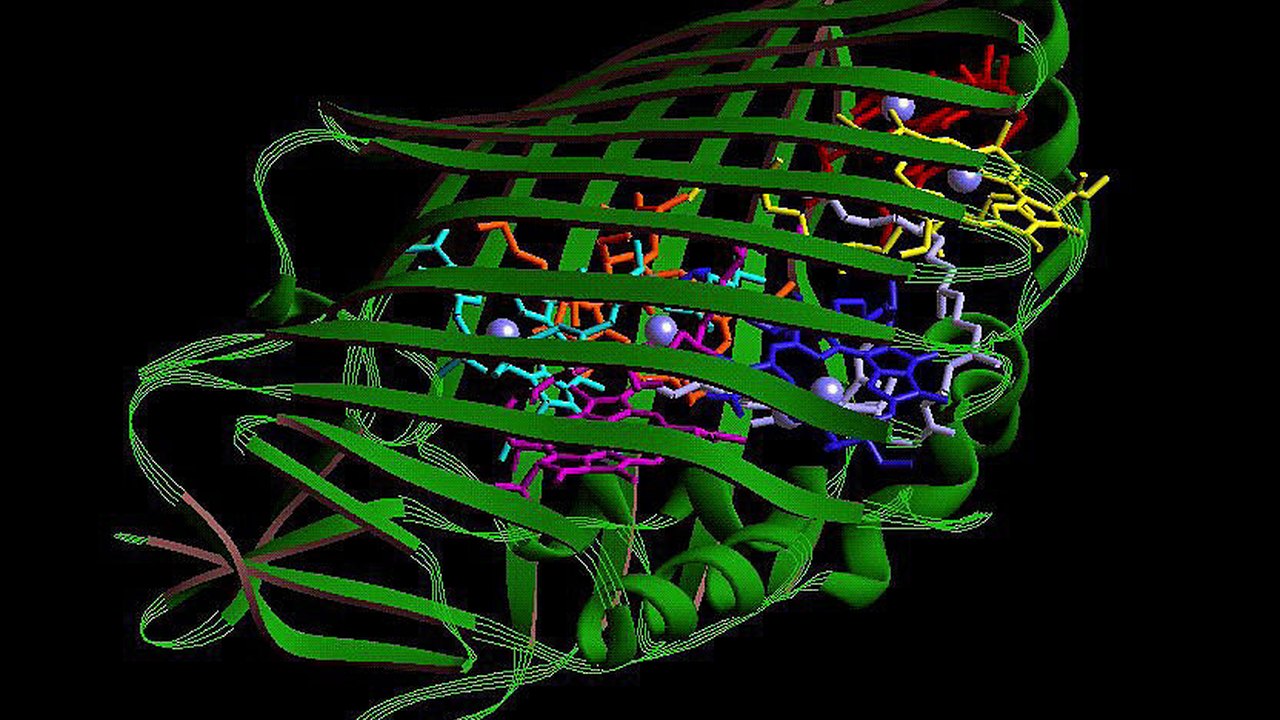
Image: arstechnica.com — Creative Commons
AI-Driven Protein Design
Researchers have developed Pinal, a tool that generates protein sequences from natural language prompts. Unlike traditional methods requiring deep technical expertise, Pinal utilizes large-scale databases to translate functional descriptions into structural blueprints. While early tests showed a low success rate, such as one functional fluorescent protein out of 50,000 generated candidates, the tool demonstrates how AI can simplify complex biochemical modeling.
Genomic Translation
Separately, Hugging Face, the Zhongguancun Academy, and the University of Naples have released Carbon X, an open-weight model trained to bridge natural language and DNA. Capable of running on local hardware like a MacBook, it allows users to query genomic consequences directly. These advancements aim to make bioinformatics more accessible, though experimental verification in equipped laboratories remains essential to validate AI-generated sequences.
Readers can access details at https://arstechnica.com/science/2026/10/vibe-genes-naturalish-language-comes-to-protein-genome-design-software/.
AI-assisted reporting; source claims are attributed and have not been independently verified.
More to read
 Boston Dynamics Employees Push Back Against ICE Robot Dog Contract
 Telehealth Platform Hims Expands Into Testosterone Replacement Therapy
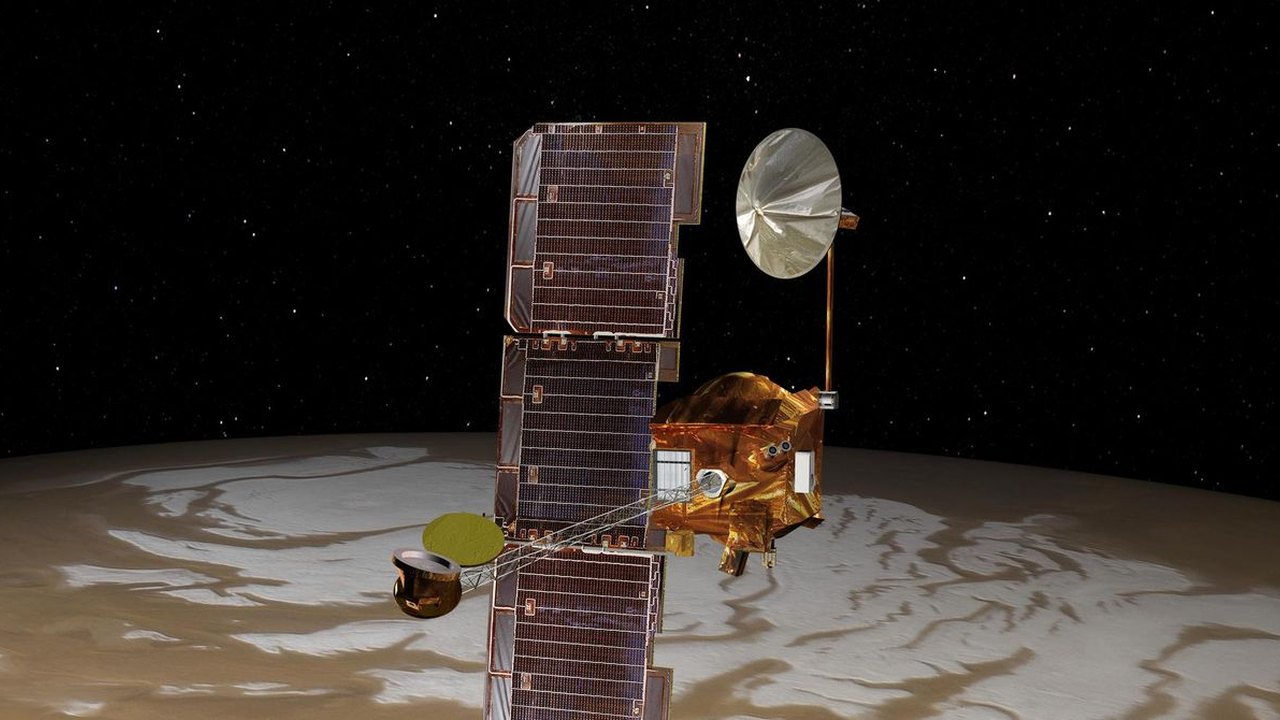 NASA’s Aging Mars Orbiters Defy Expectations Through Engineering and Adaptation
 Astronomers Debate the Nature of Mysterious 'Little Red Dots' Captured by Webb Telescope
Trending on GlobeWire Daily
Selected from recent coverage and related topics; not live search rankings.
 Hyundai Set to Expand Indian SUV Lineup with Upcoming Bayon Launch
 Campaigners Warn Government Over Cumulative Climate Impact of Pending Policy Decisions
 Barcelona Fined Following Atletico Madrid Complaint Over Julian Alvarez Approach
 UK Government Divided Over Rosebank Oilfield Approval
 Dune: Part Three Trailer Reveals Significant Departures From Frank Herbert’s Messiah
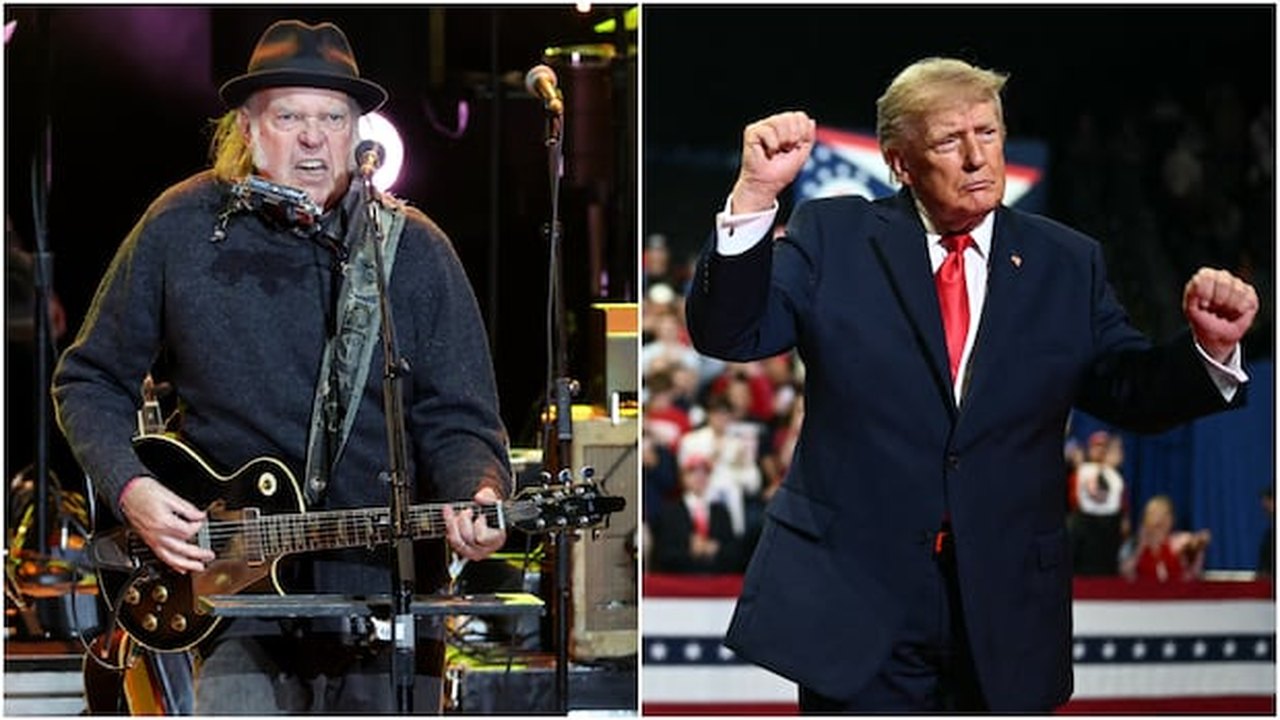 Neil Young Files Copyright Infringement Lawsuit Against Trump Campaign Over Song Usage