NASA’s Aging Mars Orbiters Defy Expectations Through Engineering and Adaptation
· GlobeWire Daily Science Desk · Source: www.wired.com
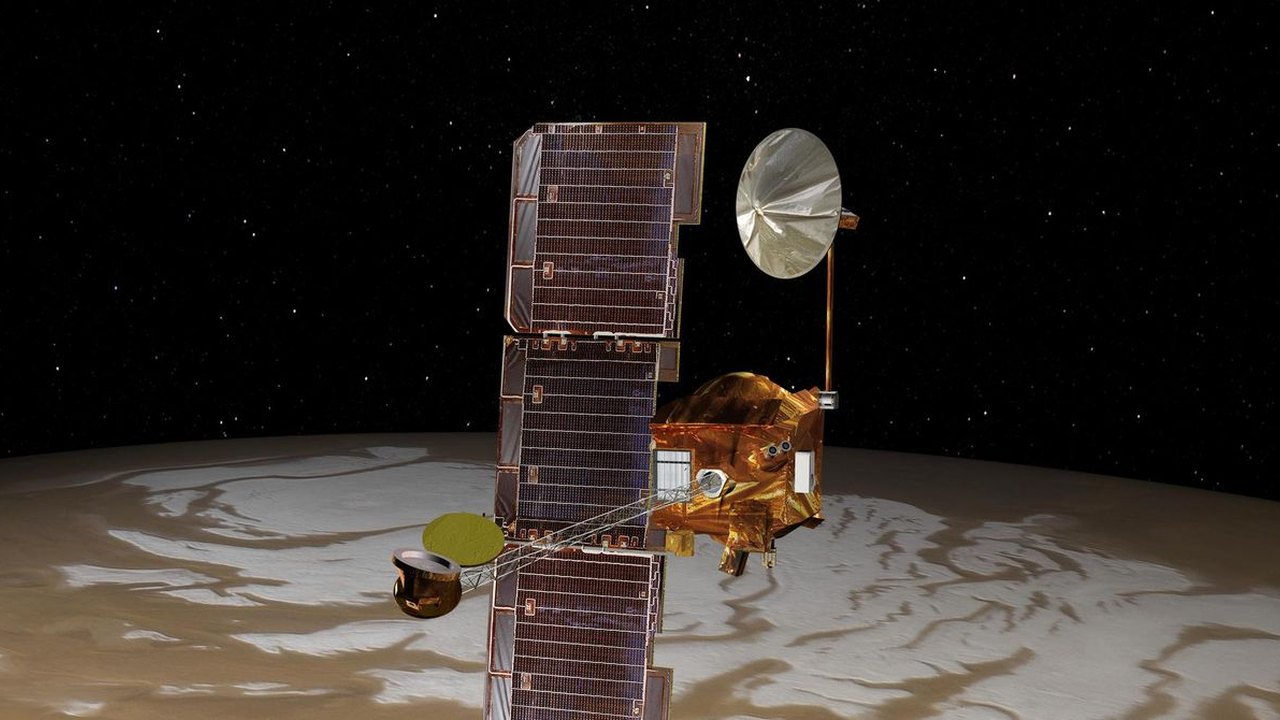
Image: Meghan Bartels — Creative Commons
Decades of Martian Exploration
NASA’s Mars Odyssey, which arrived at the Red Planet on October 24, 2001, and the Mars Reconnaissance Orbiter (MRO), launched in 2005, have significantly exceeded their original mission timelines. Originally intended to function for only a few years, these spacecraft have become cornerstones of Mars exploration, providing essential data on the planet's water history and serving as critical communication relays for surface rovers that cannot transmit directly to Earth.
The Engineering Behind the Longevity
The survival of these orbiters in the harsh environment of space is attributed to robust engineering, the inclusion of "margin" (excess capacity in batteries and fuel), and iterative problem-solving. Engineers at NASA’s Jet Propulsion Laboratory have had to address unique challenges, such as updating the MRO’s star-tracking software to account for the slight movement of stars over two decades. For the aging Odyssey, which lacks a traditional fuel gauge, managers are carefully rationing propellant to extend its operational life by executing maneuvers with minimal fuel consumption.
Lessons from Past Failures
The resilience of these missions is partly a legacy of the lessons learned from the late 1990s, a period marked by high-profile mission losses such as the Mars Climate Orbiter and the Mars Polar Lander. Following those catastrophes, NASA invested heavily in mission rigor, component testing, and redundant systems, principles that remain central to the success of Odyssey and MRO.
The Future of Mars Research
Despite their ongoing productivity, the age of these orbiters has prompted discussions about the future of Martian exploration. While NASA has moved toward smaller, faster, and cheaper mission models—such as dedicated communication satellites and smaller research projects—some planetary scientists express concern that these newer initiatives may lack the scientific depth and resilience that characterized the Odyssey and MRO missions. As the agency transitions toward these smaller-scale projects, the legacy of these two long-lived orbiters underscores the value of sustained, high-fidelity observation in planetary science.
Readers can find more information about NASA's ongoing Mars missions at the official agency website: https://www.wired.com/story/how-nasa-oldest-martian-spacecraft-run-for-decades/
AI-assisted reporting; source claims are attributed and have not been independently verified.
More to read
 Boston Dynamics Employees Push Back Against ICE Robot Dog Contract
 Telehealth Platform Hims Expands Into Testosterone Replacement Therapy
 Astronomers Debate the Nature of Mysterious 'Little Red Dots' Captured by Webb Telescope
 US Intelligence Captures Clear Imagery of Secretive Chinese Spaceplane
Trending on GlobeWire Daily
Selected from recent coverage and related topics; not live search rankings.
 Hyundai Set to Expand Indian SUV Lineup with Upcoming Bayon Launch
 Campaigners Warn Government Over Cumulative Climate Impact of Pending Policy Decisions
 Barcelona Fined Following Atletico Madrid Complaint Over Julian Alvarez Approach
 UK Government Divided Over Rosebank Oilfield Approval
 Dune: Part Three Trailer Reveals Significant Departures From Frank Herbert’s Messiah
 Neil Young Files Copyright Infringement Lawsuit Against Trump Campaign Over Song Usage