Nature Can Wait No Longer: Global Leaders Urged to Honor Biodiversity Commitments Amid Multiple Crises
· GlobeWire Daily Climate Desk · Source: www.theguardian.com

Image: www.theguardian.com — Creative Commons
As environment ministers gather in the Armenian capital, Yerevan, for the upcoming biodiversity summit, they face immense pressure to sideline conservation efforts in favor of addressing immediate global conflicts, economic strains, and extreme weather events. However, advocates and former policymakers argue that treating environmental protection as a secondary concern is a dangerous miscalculation.
Nearly four years after nearly 200 nations agreed in Montreal to halt and reverse nature loss by 2030, implementation has lagged behind the ambitious goals set during the historic summit. The 2022 agreement included targets to protect 30% of the world's land and oceans, channel $200bn annually into nature, and tackle $500bn in harmful subsidies.
The Cost of Inaction and Economic Realities
Proponents of immediate action emphasize that safeguarding ecosystems is directly tied to economic security and national prosperity, rather than acting as a mere luxury. Evidence from various regions highlights how integrating biodiversity pays off: French farmers utilizing biodiversity over chemical fertilizers have maintained crop resilience through severe droughts, while Indigenous fire brigades in Brazil have significantly reduced blazes in critical trade and climate regions.
Despite these proven benefits, current financial metrics show a troubling decline in support. Overseas development finance fell by a record 23% recently, with biodiversity-specific funding dropping 17%, casting doubt on the feasibility of hitting established milestones without renewed political will.
Three Priorities for the Yerevan Summit
To reverse current trends and realign with the 2030 targets, discussions in Yerevan are being urged to focus on three actionable steps:
- Fulfilling Financial Pledges: Ministers must establish clear timetables and interim milestones to reach the $30bn public finance target by 2030, following shortfalls in earlier 2025 goals.
- Reforming Harmful Subsidies: Governments need to engage finance ministers to address subsidies that undermine economic stability. Current estimates indicate that environmentally harmful subsidies have surged to $2.6tn, while only a small fraction of national biodiversity plans actively address the gap.
- Closing Marine Protection Gaps: With terrestrial protection reported at approximately 27%, marine conservation lags significantly behind at 12%. Officials are pushing for structured action plans ahead of the upcoming Ocean Cop in New York.
Practical Implications and Verification
For readers and policy observers, understanding the stakes of the Yerevan summit involves recognizing the direct connection between global ecological health and local resource stability, such as food import costs and extreme weather buffers provided by coral reefs and mangroves.
Confirmed Facts:
- The 2022 Montreal agreement set a goal to protect 30% of land and oceans and mobilize $200bn annually for nature by 2030.
- Overseas development and biodiversity-specific funding have experienced notable recent declines.
- Terrestrial protection commitments currently stand near 27%, compared to roughly 12% for marine ecosystems.
What Remains Unknown:
- Whether attending ministers will agree to binding timelines for the requested financial and subsidy reforms during the Yerevan meetings.
- The precise long-term economic toll of delaying coordinated international funding commitments.
Readers can review the complete original commentary and official context directly through [The Guardian's environmental coverage](https://www.theguardian.com/environment/2026/oct/20/do-not-be-distracted-by-other-global-crises-nature-cannot-wait-for-a-better-year-we-must-act-now).
AI-assisted reporting; source claims are attributed and have not been independently verified.
More to read
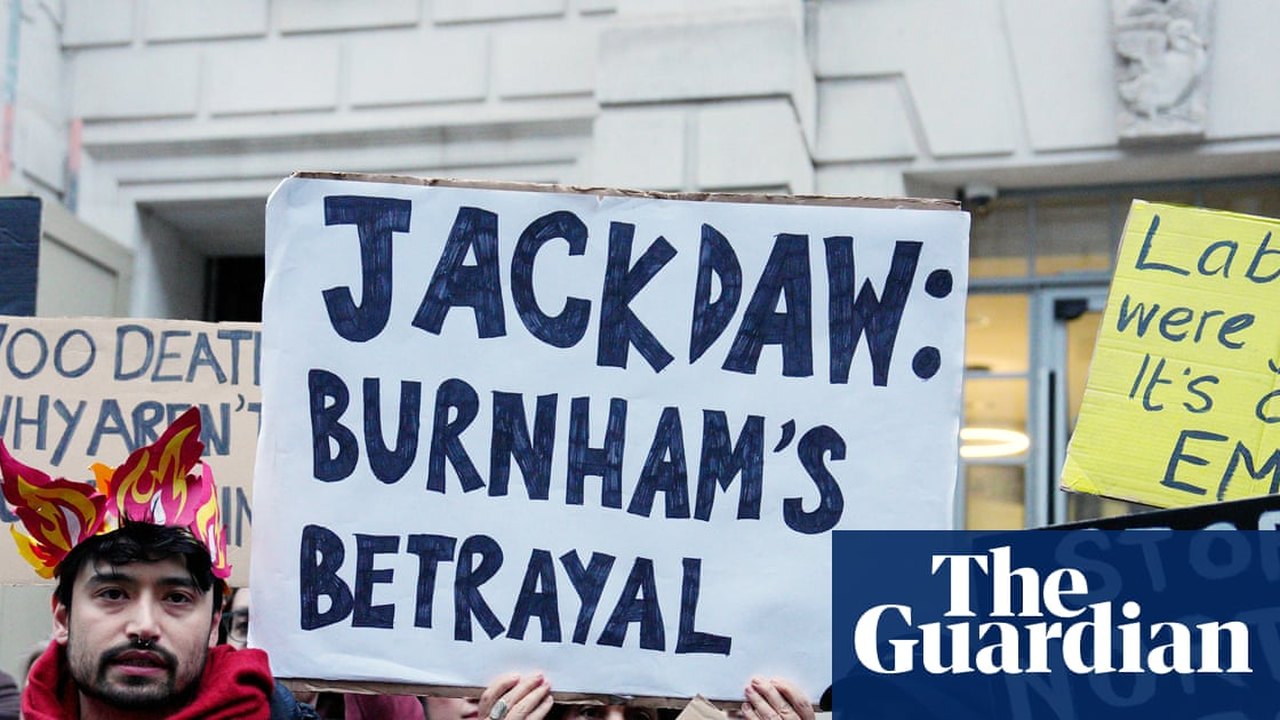 UK Government Approves Jackdaw North Sea Gasfield, Prompting Broad Climate‑Policy Criticism
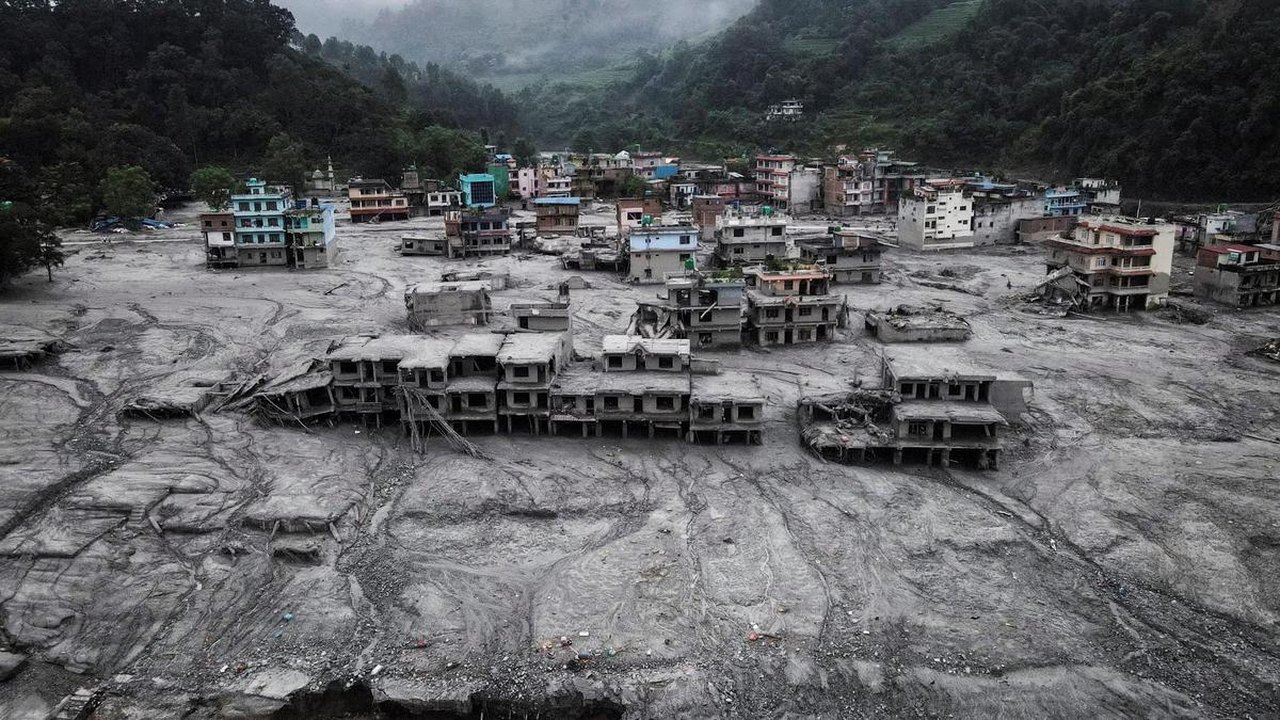 UN Loss and Damage Fund Earmarks $20 Million for Nepal Following August Disasters
 Canada Faces Scrutiny Over Environmental Policy Incoherence Ahead of COP17 Biodiversity Summit
 Rooted in Faith: Growing Numbers of Jewish Farmers Revive Ancient Agrarian Traditions in the US
Trending on GlobeWire Daily
Selected from recent coverage and related topics; not live search rankings.
UK Government Approves Jackdaw North Sea Gasfield, Prompting Broad Climate‑Policy Criticism Tamil Nadu Government Plans Industry Integration and Skill-Based Higher Education Framework
 UK AI minister urges state‑led capability after AI uncovers 500 new government system vulnerabilities
 Tamil Nadu School Closures Declared in Several Districts Amid Heavy Rainfall
 Japan Launches $578 Million MMX Mission to Retrieve Samples From Martian Moon Phobos
 French Student Leaders Urge Continued School Barricades Despite Government Concessions