How Aldi Is Disrupting the U.S. Grocery Market Through Extreme Efficiency and Private Labels
· GlobeWire Daily Business Desk · Source: www.npr.org
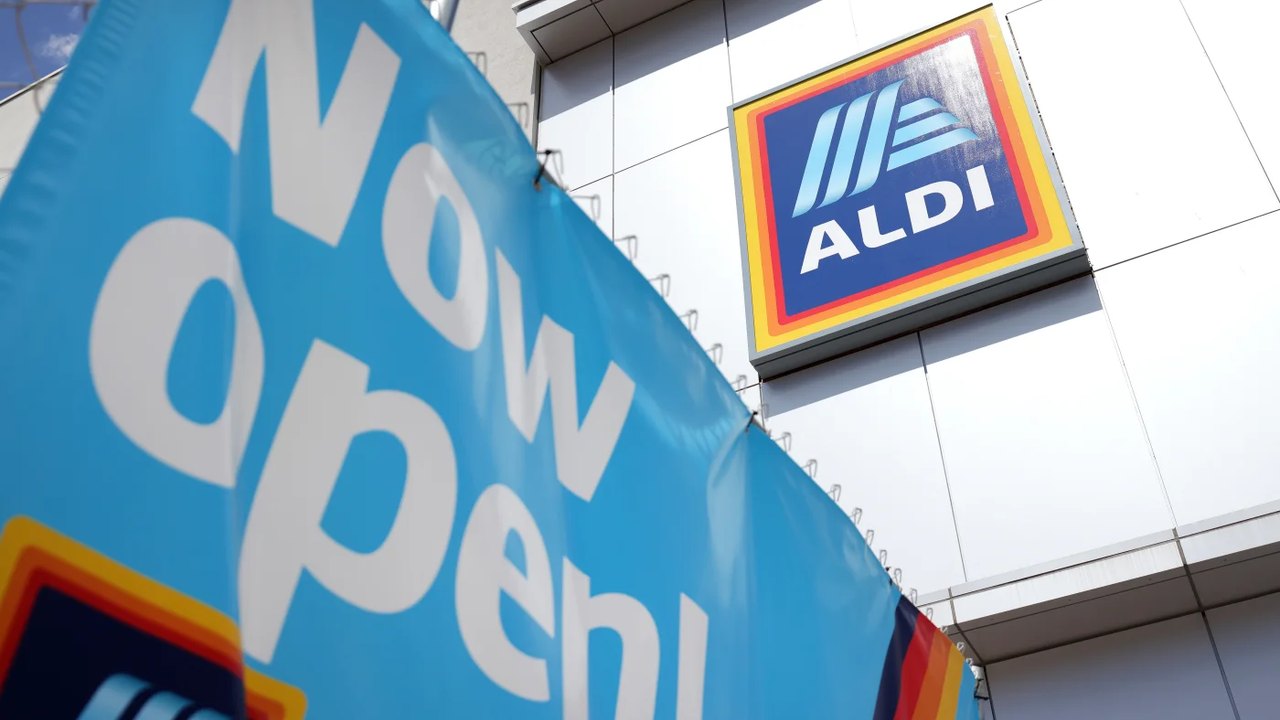
Image: www.npr.org — Creative Commons
Discount supermarket chain Aldi is expanding rapidly across the United States, utilizing a low-cost business model that has put pricing pressure on major competitors. According to reports, the German-owned company generated approximately $29 billion in U.S. sales in 2024 and plans to operate more than 3,000 American locations by the end of 2028.
Unlike traditional big-box stores that rely on massive footprints and vast inventories to achieve economies of scale, Aldi’s strategy centers on intentional simplicity, operational austerity, and private-label merchandise.
Core Tactics Driving the Aldi Model
Industry analysts point to several key practices that allow Aldi to match or beat competitors on price:
- Private-Label Dominance: More than 80 percent of the products on Aldi shelves are store-brand items. By producing its own versions of popular goods—such as sandwich cookies and crackers—the company avoids manufacturer markups.
- Limited Selection: Stocking a restricted inventory of essentials allows the chain to buy in bulk and minimize the risk of inventory spoilage. This limited product range also reduces required storage areas and real-estate costs.
- Radical In-Store Efficiency: Labor and overhead costs are kept to a minimum. Stores typically feature no background music to avoid licensing fees, and employees often place products on shelves directly inside their shipping boxes rather than unpacking them individually.
Market observers note that the presence of discount chains like Aldi and its counterpart Lidl has historically forced nearby traditional grocery chains to lower profit margins and reduce markups in competitive regions.
Practical Implications and Market Comparison
For consumers, shopping at Aldi involves a distinct trade-off between cost savings and convenience. Because the stores do not carry every niche item or brand-name product, shoppers often must visit secondary grocery stores to complete their shopping lists.
- Confirmed Facts: Aldi aims to exceed 3,000 U.S. stores by late 2028, generated $29 billion in 2024 U.S. sales, and relies primarily on private-label goods and limited product selections to maintain low prices.
- What Remains Unknown: The long-term trajectory of food inflation and how aggressively competing supermarket chains will continue to adjust their pricing strategies in response to discount expansion.
- Verification: Readers can review the original reporting and analysis through the public NPR report available at [NPR Planet Money](https://www.npr.org/sections/planet-money/2026/10/27/g-s1-149358/how-aldi-is-pushing-down-grocery-prices).
AI-assisted reporting; source claims are attributed and have not been independently verified.
More to read
 Meta Introduces Subscription Tiers to Limit and Charge for Hyperlinks on Facebook Pages
 California Voters to Decide on Historic Billionaire Wealth Tax Proposal
 Trade Tariffs Cause Whiplash and Supply Chain Uncertainty at Port Milwaukee
 As Housing Costs Soar, Gen Z Candidates Across the Political Spectrum Seek Local Solutions
Trending on GlobeWire Daily
Selected from recent coverage and related topics; not live search rankings.
 UK Government Approves Jackdaw North Sea Gasfield, Prompting Broad Climate‑Policy Criticism
 Tamil Nadu Government Plans Industry Integration and Skill-Based Higher Education Framework
 UK AI minister urges state‑led capability after AI uncovers 500 new government system vulnerabilities
 Tamil Nadu School Closures Declared in Several Districts Amid Heavy Rainfall
 Japan Launches $578 Million MMX Mission to Retrieve Samples From Martian Moon Phobos
 French Student Leaders Urge Continued School Barricades Despite Government Concessions