High Voter Turnout in Israel Election Amidst Political Uncertainty
· GlobeWire Daily World Desk · Source: www.nbcnews.com

Image: www.nbcnews.com — Creative Commons
Election Overview and Preliminary Results
Israel held its latest nationwide election with a record-breaking voter turnout of 77.7%, the highest since 1999. As polls closed, early exit polls indicated a tight race with no immediate clear path to a majority for either Prime Minister Benjamin Netanyahu’s right-wing bloc or the bloc led by his main rival, Gadi Eisenkot. While broadcasters suggested a slight edge for Eisenkot’s camp in seat projections, Israeli law requires a coalition to secure at least 61 seats in the 120-member Knesset to form a government.
Election Context and Key Issues
This vote marks the first nationwide election since the Hamas-led attacks of October 7, 2023. The conflict, along with internal issues including the cost of living, government corruption, and the status of Haredi participation in military service, dominated the campaign. The election is widely viewed as a critical referendum on Netanyahu’s tenure, with his political future at risk following significant public criticism regarding the handling of national security and the ongoing war.
Contentious Campaign Atmosphere
The lead-up to the election was marked by heightened tensions and allegations of misinformation. Experts, including Achiya Schatz of the Israeli organization Fake Reporter, raised concerns about the use of potentially AI-generated imagery on Netanyahu’s social media accounts, which critics labeled as fear-mongering regarding Arab voter participation. Conversely, opposition figures like Yair Golan declared that the public had effectively signaled a desire for change, while supporters of both sides expressed deep anxiety over the country’s future and international standing.
Practical Implications and Verification
The official results of the election will be published within eight days, by November 4. Following this, President Isaac Herzog will task a member of the Knesset with the mandate to form a government—a process that has historically required weeks of complex negotiations between various political parties. Because no single party has historically held a majority, smaller coalition partners often hold significant influence in the final government composition. Readers can track official updates and the progressive release of results directly via the Israel Central Elections Committee at [https://www.bechirot.gov.il/](https://www.bechirot.gov.il/).
AI-assisted reporting; source claims are attributed and have not been independently verified.
More to read
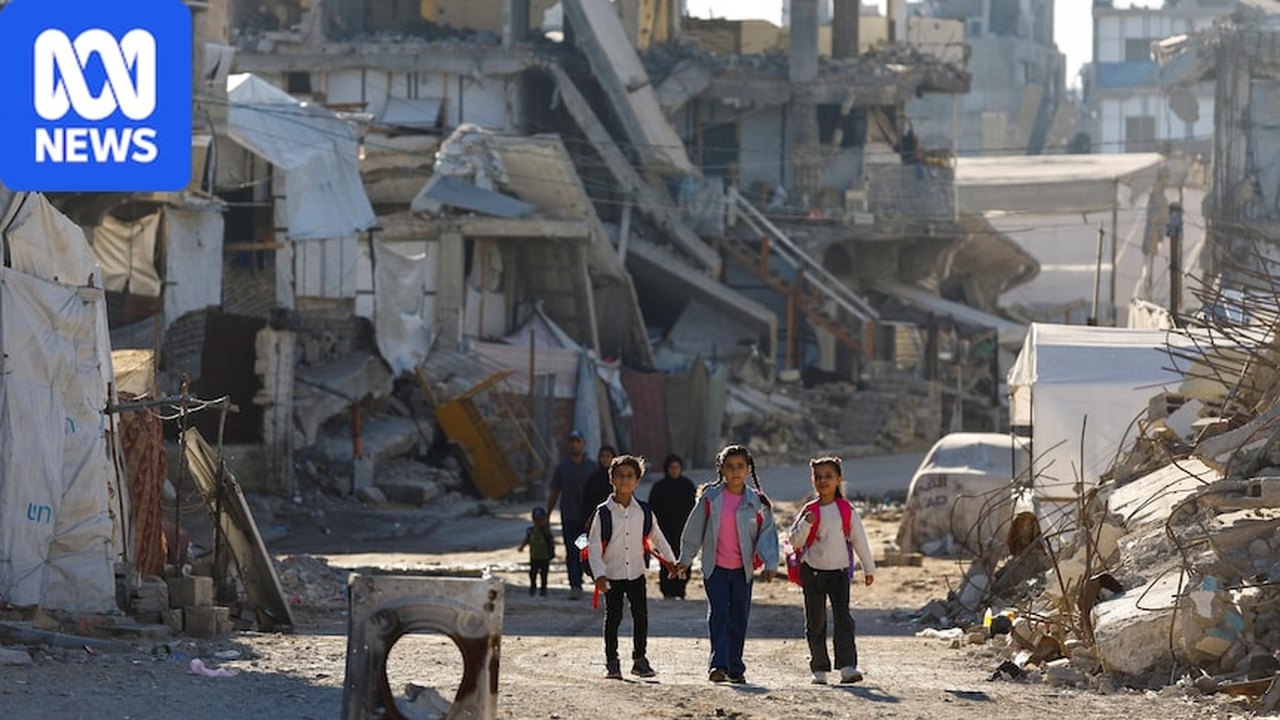 UN Inquiry Finds Israel Continued Genocide in Gaza Post-Ceasefire
 Can the Moon Sustain Millions? New Study Challenges Lunar Colonization Estimates
 Amazon CEO Andy Jassy Advises Youth to Embrace AI While Guarding Human Judgment
 Anthropic IPO Filing Reveals AI Now Writes 90% of Internal Code
Trending on GlobeWire Daily
Selected from recent coverage and related topics; not live search rankings.
 Hyundai Set to Expand Indian SUV Lineup with Upcoming Bayon Launch
 Campaigners Warn Government Over Cumulative Climate Impact of Pending Policy Decisions
 Barcelona Fined Following Atletico Madrid Complaint Over Julian Alvarez Approach
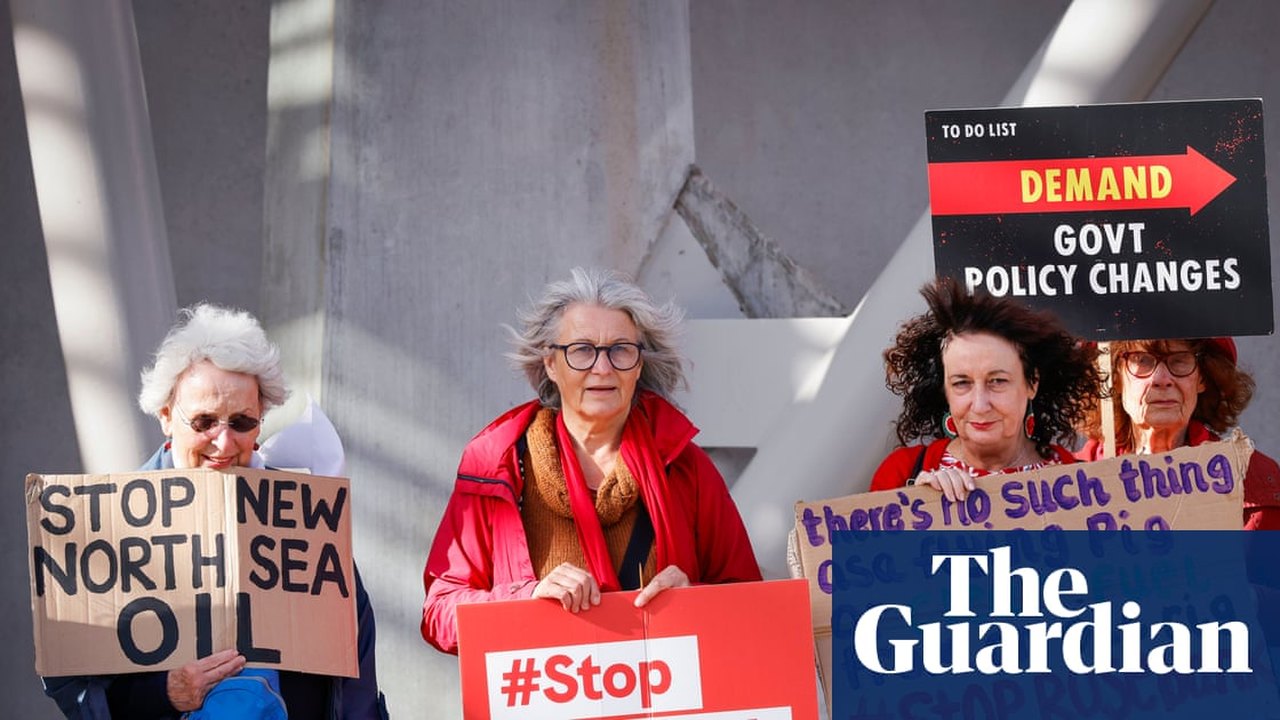 UK Government Divided Over Rosebank Oilfield Approval
 Dune: Part Three Trailer Reveals Significant Departures From Frank Herbert’s Messiah
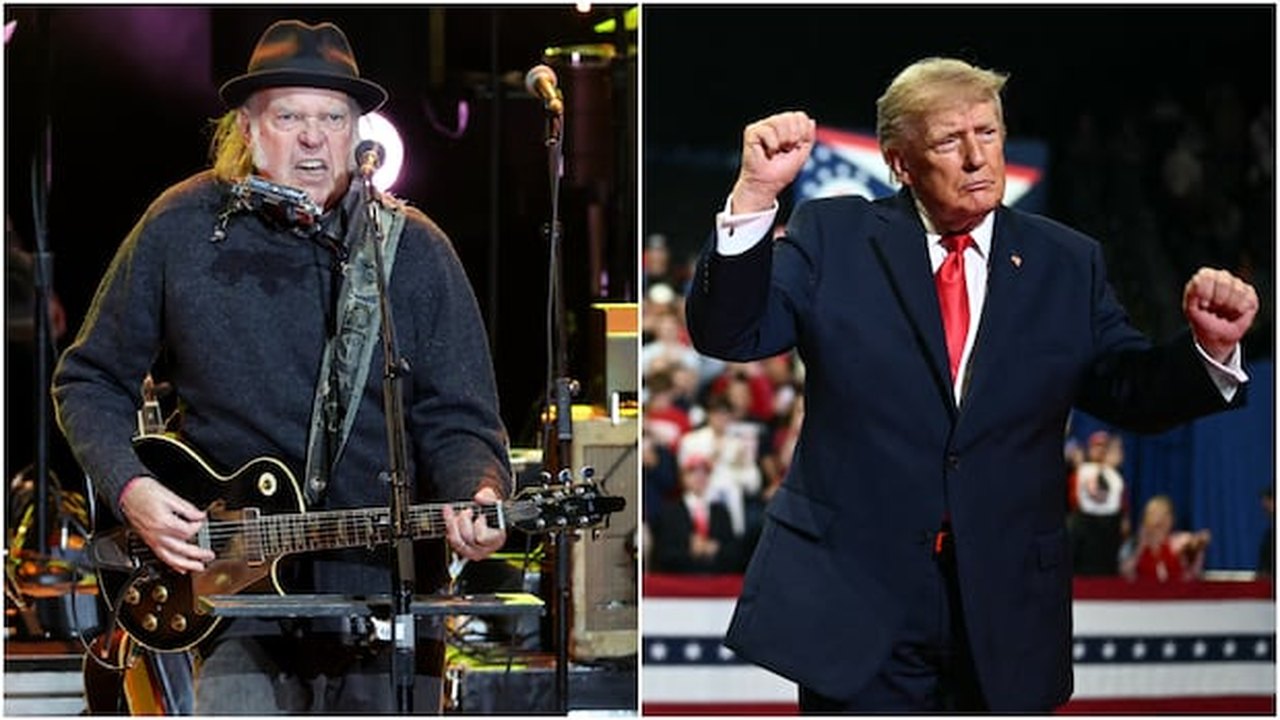 Neil Young Files Copyright Infringement Lawsuit Against Trump Campaign Over Song Usage