New Biography Reexamines Frank Capra’s Darker Side and Enduring Hope
· GlobeWire Daily Entertainment Desk · Source: www.hollywoodreporter.com
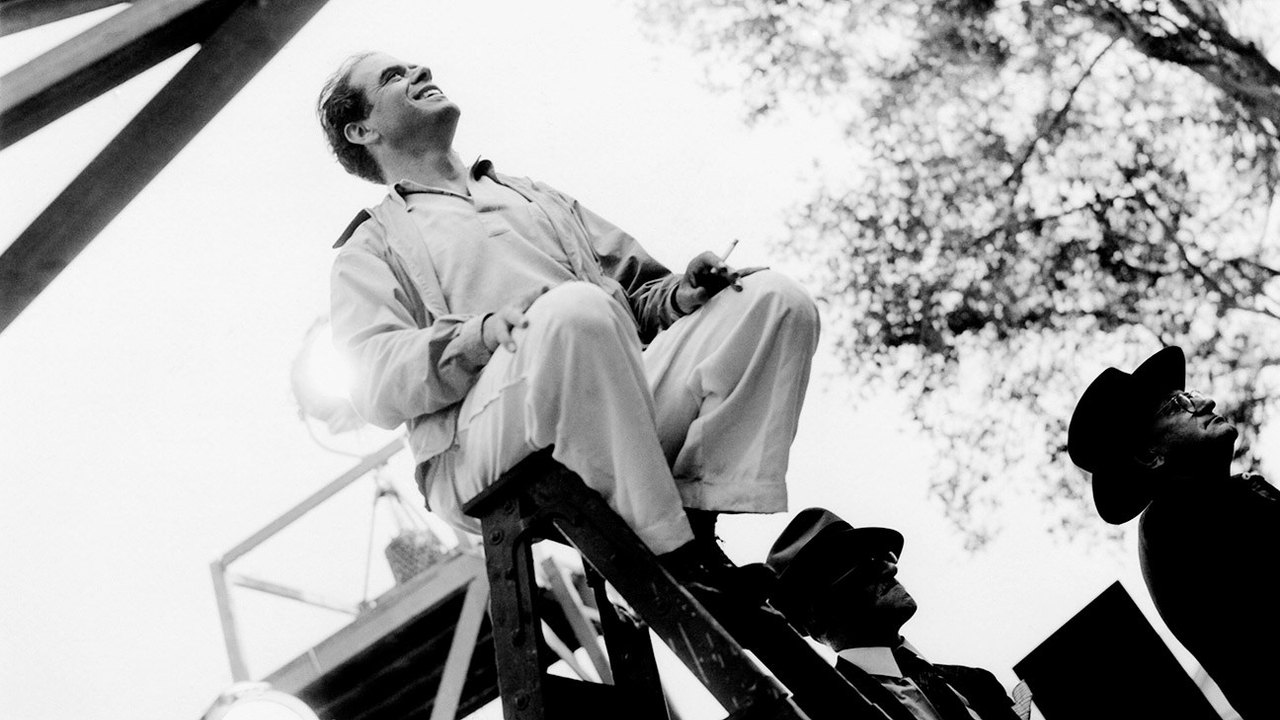
Image: Gary Baum — Creative Commons
A Monumental New Biography
Hollywood historian Sam Wasson, author of acclaimed studies on Francis Ford Coppola, Paul Mazursky, Blake Edwards and Roman Polanski, has released a new 752‑page biography titled *Frank Capra* (publication date Oct 27, 2024). The book arrives as a counterpoint to the 1992 biography *The Catastrophe of Success* by Joseph McBride, which painted Capra in starkly critical tones. Wasson’s work, described by the author as an “immersive journey through early and Golden Age Hollywood,” seeks to balance the director’s celebrated optimism with the personal and political shadows that have long been glossed over.
Capra’s Rise: From Sicilian Roots to Hollywood
Wasson traces Capra’s life from a modest village in Sicily to the bustling streets of East Los Angeles, where the young immigrant first encountered the fledgling film industry. After a stint as a child‑actor and a brief apprenticeship with Mack Sennett’s slap‑stick studio, Capra secured a contract with Columbia Pictures, where he would eventually direct three Academy Award‑winning films: *It Happened One Night* (1934), *Mr. Deeds Goes to Town* (1936) and *It’s a Wonderful Life* (1946). The biography also highlights his contribution to the U.S. Army’s *Why We Fight* documentary series during World II, a project that demonstrated his willingness to blend propaganda with cinematic craft.
Revisiting the “Capra‑corn”: Darkness Beneath the Optimism
Capra’s name has become synonymous with feel‑good, humanistic storytelling—a shorthand for “heartfelt American cinema.” Yet Wasson argues that this reputation masks a more complex reality. He writes that the alleged “Capra‑corn” is a misreading; the director’s films are “dark and triumphant,” marrying hopeful resolutions with an undercurrent of existential dread. According to Wasson, the guilt many feel about happy endings stems from cultural shame rather than any inherent cynicism in Capra’s work. The biography points to moments of moral ambiguity—such as Capra’s cooperation with the House Un-American Activities Committee during the Red Scare—that reveal a filmmaker navigating personal ambition and political pressure.
Contrasting Biographies: Wasson vs. McBride
Joseph McBride’s 1992 biography, published a year after Capra’s death, took a decidedly prosecutorial tone. It emphasized Capra’s “self‑serving conduct” during the Red Scare and framed his career as a series of hypocrisies. Wasson acknowledges the factual basis of McBride’s findings but critiques the one‑sided narrative. He likens the differing approaches to therapeutic integration: “You’re not perfect but you’re not evil.” Wasson’s biography therefore positions Capra as a flawed yet fundamentally human figure, whose self‑mythologizing—rooted in his immigrant rags‑to‑riches story—was both aspirational and accurate.
Capra’s Legacy in Contemporary Filmmaking
Wasson notes that Capra’s direct influence on today’s American directors appears limited. He cites Steven Spielberg’s *Close Encounters of the Third Kind* and *E.T. the Extra‑Terrestrial* as rare examples of thematic resonance, though even these are not straightforward homages. A more tangible link, according to Wasson, is the television series *Friday Night Lights*, which shares Capra’s “warm view of humanity that led in the darkness.” The biography argues that modern audiences have shifted from seeking “people looking at people” to demanding visual spectacle, a trend that makes Capra’s character‑driven narratives feel both nostalgic and instructive.
What Readers Can Verify
All of the claims above are drawn from Wasson’s forthcoming biography and the accompanying interview published by *The Hollywood Reporter* on Oct 27, 2024. Readers can verify the book’s length (752 pages), release date, and key quotations by consulting the official THR article at https://www.hollywoodreporter.com/movies/movie-features/frank-capra-sam-wasson-biography-1236740569/. The article also provides direct links to Capra’s Oscar wins, his filmography, and the earlier McBride biography, allowing interested readers to compare the two scholarly perspectives.
Conclusion
Sam Wasson’s *Frank Capra* arrives at a moment when American cultural confidence appears fragile, as the author himself observes: “We are down on America right now—down on leadership, down on ideals, down on the film experience—and Capra represents these things when they’re working and shows us why we need them.” By weaving together Capra’s immigrant origins, his cinematic triumphs, and his political compromises, the biography offers a nuanced portrait that challenges the simplistic label of “Capra‑corn.” Whether the book reshapes public perception of the director remains to be seen, but it undeniably adds depth to the conversation about how optimism and darkness have coexisted in the American storytelling tradition.
---
**Source:** *The Hollywood Reporter*, “Frank Capra Was Darker Than You Think, Says Author of New Biography,” Oct 27, 2024. https://www.hollywoodreporter.com/movies/movie-features/frank-capra-sam-wasson-biography-1236740569/
AI-assisted reporting; source claims are attributed and have not been independently verified.
More to read
 From TikTok to YouTube: How Dave Jorgenson Is Redefining News Comedy in Long‑Form Video
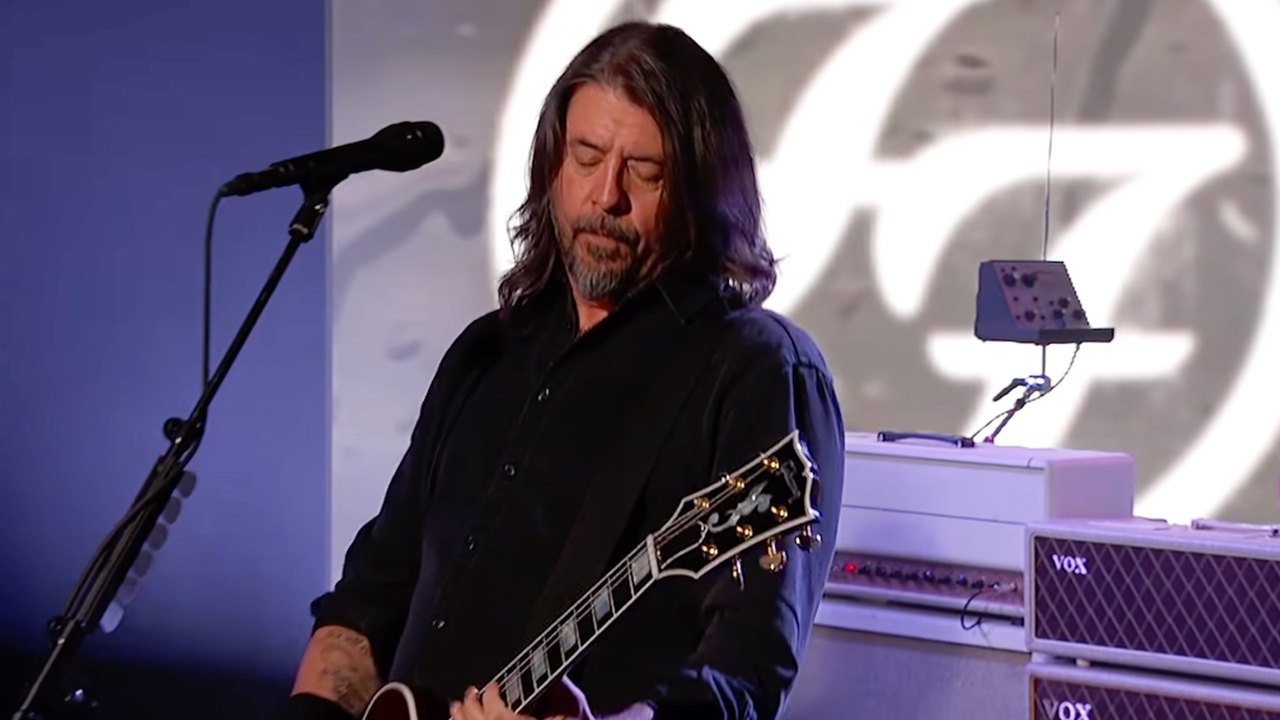 Foo Fighters Debut New Song “Window” on Jimmy Kimmel Live and Reflect on Taylor Hawkins’ Legacy
 BAFTA Appoints Hilary Rosen as New Chair, Reshapes Board of Trustees
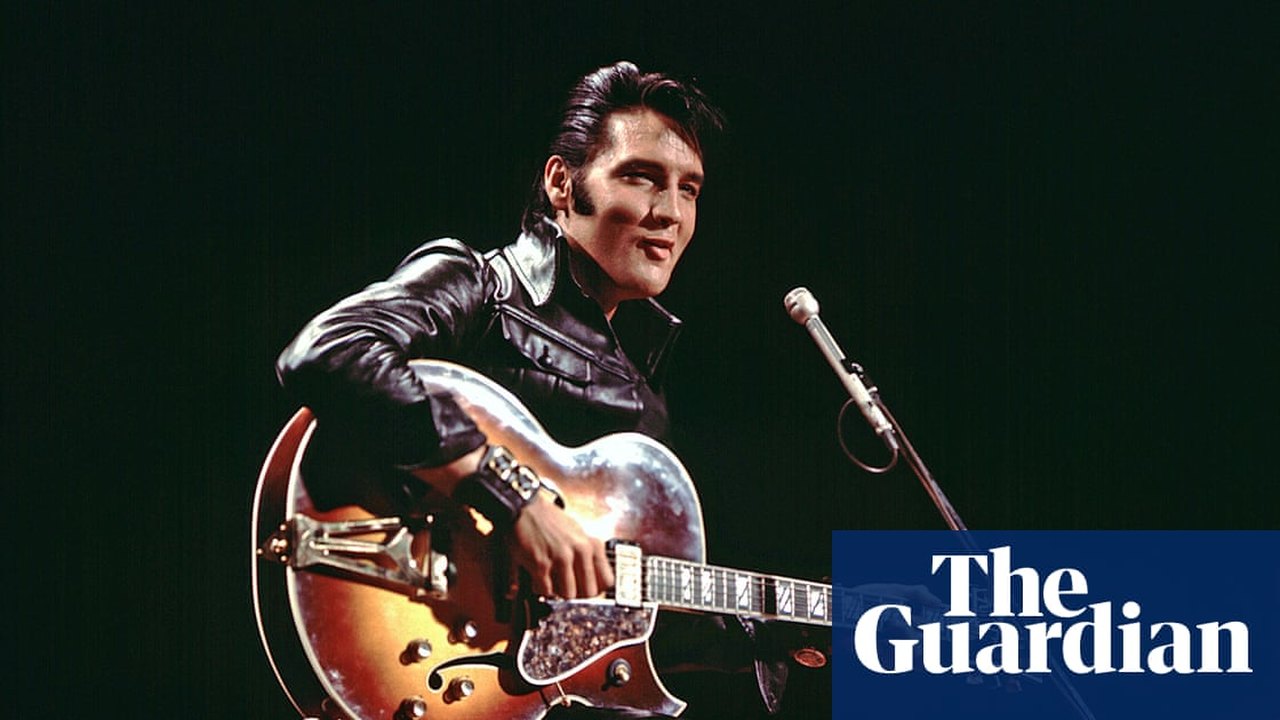 Elvis Presley Estate Sues Anthropic Over Alleged Copyright Infringement In AI Training
Trending on GlobeWire Daily
Selected from recent coverage and related topics; not live search rankings.
 Hyundai Set to Expand Indian SUV Lineup with Upcoming Bayon Launch
 Campaigners Warn Government Over Cumulative Climate Impact of Pending Policy Decisions
 Barcelona Fined Following Atletico Madrid Complaint Over Julian Alvarez Approach
 UK Government Divided Over Rosebank Oilfield Approval
 Dune: Part Three Trailer Reveals Significant Departures From Frank Herbert’s Messiah
 Neil Young Files Copyright Infringement Lawsuit Against Trump Campaign Over Song Usage