Why Universities Remain Prime Targets for AI-Powered Cyberattacks
· GlobeWire Daily Education Desk · Source: www.thehindu.com

Image: www.thehindu.com — Creative Commons
The Expanding Threat Landscape in Higher Education
Recent data positions the education sector as the most heavily targeted industry globally for cyberattacks. According to research cited from Check Point, educational institutions worldwide faced an average of 4,696 cyberattacks per week between January and July 2026, with figures spiking significantly higher in regions like Asia-Pacific. Campuses present unique structural vulnerabilities: open environments with thousands of personal student devices, high-turnover populations of incoming students, decentralised IT departments, and predictable academic calendars tied to admissions and examinations.
Furthermore, universities routinely collect sensitive personal identifiable information, including government identification details, banking records, contact details, and academic transcripts. These attributes make campuses high-value targets for malicious actors seeking extortion opportunities or data harvesting.
Vulnerabilities, Software Flaws, and AI Exploits
Cyber attackers increasingly leverage artificial intelligence not to invent novel intrusion techniques, but to scale the exploitation of traditional, well-documented security lapses. These include exposed passwords, misconfigured application programming interfaces (APIs), plaintext credential storage, and administrative panels lacking multi-factor authentication. AI tools facilitate rapid phishing campaigns, voice-spoofing attacks mimicking university leadership, and the generation of malicious code targeting unverified applications.
Recent technical vulnerabilities have underscored these risks. Open-source software widely used in campus infrastructure—such as WordPress, Moodle, and PHP frameworks—frequently encounter critical security flaws. For instance, critical PHP vulnerabilities identified in late 2026 allowed attackers to seize control of web servers without valid credentials. Additionally, broader systemic issues, such as cryptographic key vulnerabilities and compromised digital certificates, demonstrate the widespread nature of infrastructure risks.
Regulatory Liabilities and Vendor Accountability
Under frameworks like India's Digital Personal Data Protection (DPDP) Act, educational institutions bear strict legal liability for protecting student data, even when core administrative functions, enterprise resource planning (ERP) systems, or Learning Management Systems (LMS) are outsourced to third-party vendors. Experts emphasize that vendor security failures directly translate to institutional liability.
To mitigate these risks, security advocates recommend rigorous vendor management protocols. These include contract clauses mandating rapid support windows, adherence to strict incident reporting timelines (such as CERT-In's six-hour compliance rule), audit rights, annual testing by certified auditors, and mandatory multi-factor authentication for administrative access.
Practical Implications and Institutional Guardrails
Many universities maintain cybersecurity policies primarily for accreditation purposes rather than active defense. Moving beyond paper compliance requires operationalizing security protocols with direct accountability to governing boards.
Institutions possess substantial internal resources through their student and faculty bodies. Rather than viewing students solely as security risks, campuses can organize supervised student "red teams" led by computer science faculty to test system defenses within defined parameters. Such initiatives can provide students with practical, hands-on experience while offering institutions continuous security monitoring at lower costs.
Readers seeking the original analysis and broader commentary can review the complete publication on [The Hindu](https://www.thehindu.com/education/cybersecurity-in-universities-how-campuses-are-easy-prey-for-ai-powered-attacks/article71627548.ece).
AI-assisted reporting; source claims are attributed and have not been independently verified.
More to read
 Tamil Nadu Teachers Education University Appoints New Registrar-in-Charge Amid Inspection Allegations
 UK to Impose £925 Annual Levy on International Students Above 220 Enrolments – What It Means for Indian Applicants
 Tamil Nadu Government Plans Industry Integration and Skill-Based Higher Education Framework
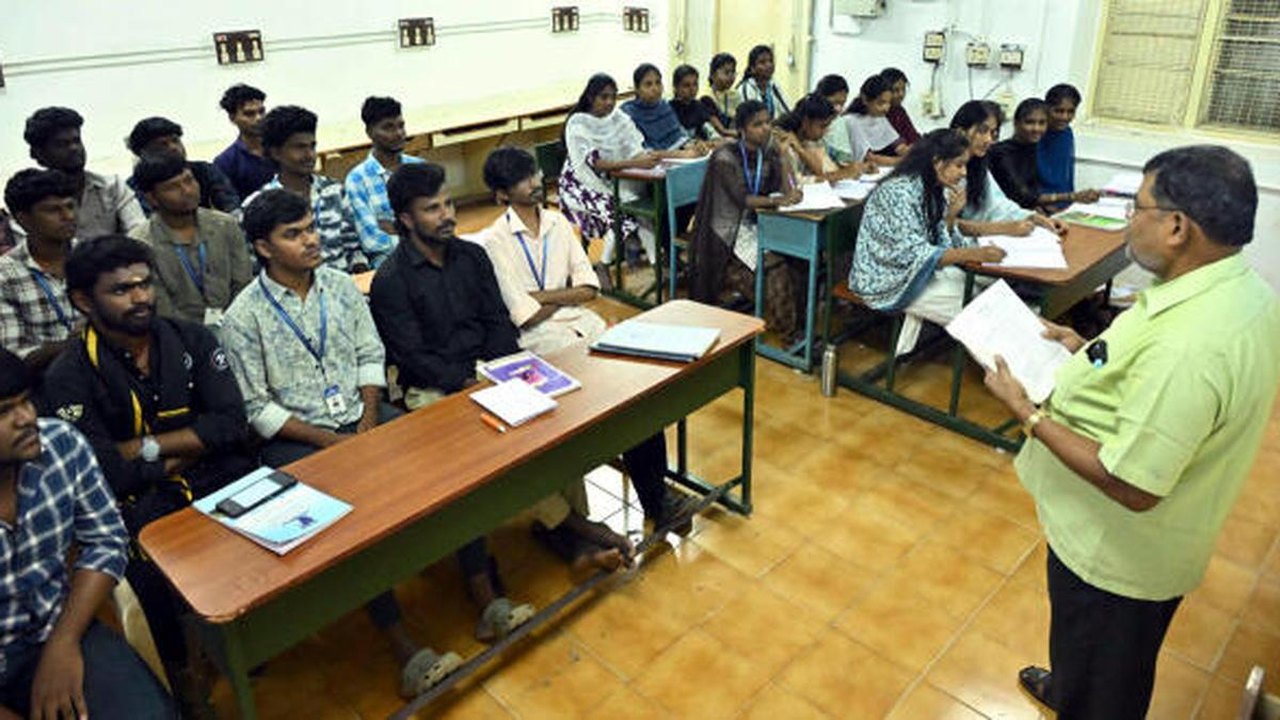 Why India's Higher Education Pupil-Teacher Ratios Look Healthy While Faculty Posts Remain Vacant
Trending on GlobeWire Daily
Selected from recent coverage and related topics; not live search rankings.
Tamil Nadu Teachers Education University Appoints New Registrar-in-Charge Amid Inspection Allegations Punjab & Haryana High Court announces recruitment of 1,270 clerks for district courts – applications open Oct 7, close Nov 4, 2026
 Oil India Executive Recruitment 2026: Applications Open for 32 Posts
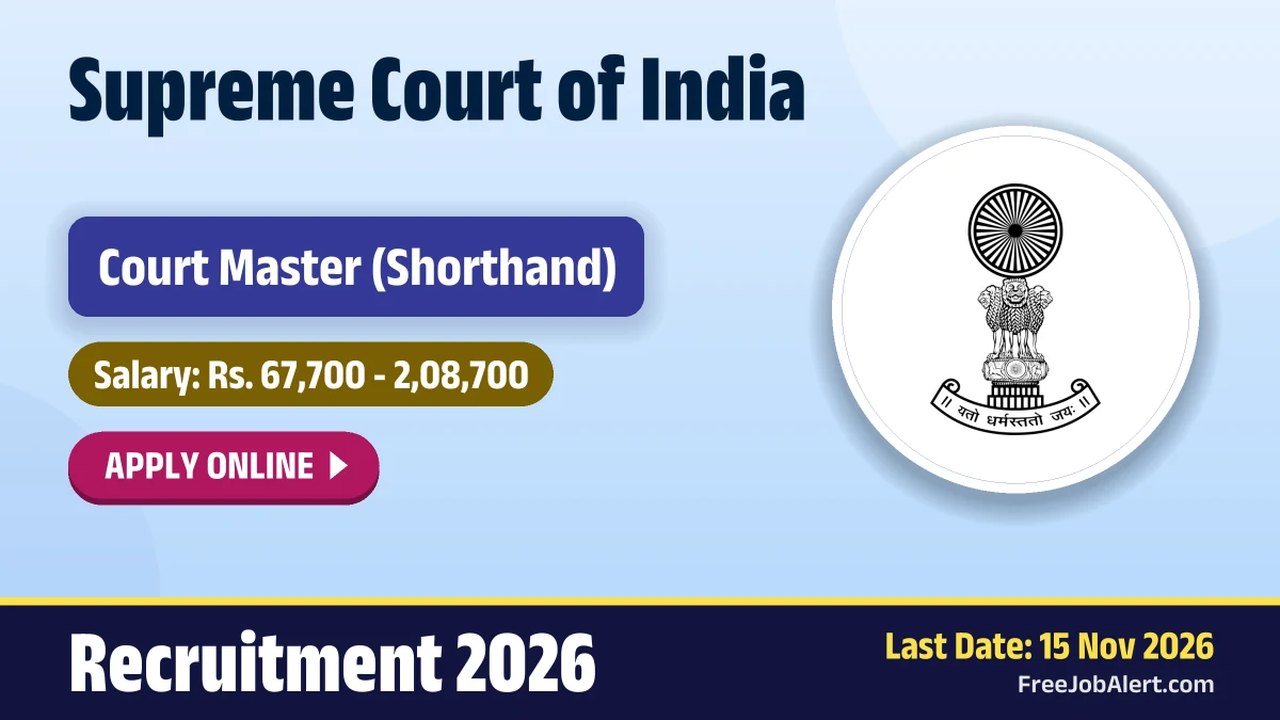 Supreme Court of India Announces Recruitment for 20 Court Master (Shorthand) Posts: Dates, Eligibility, and Pay Scale
 Delhi District Courts Recruitment 2026: 641 Vacancies Open for Peons, Assistants and More
 BPSC TRE-4.0 Recruitment 2026: Bihar Opens Applications for 32,388 School Teacher Posts