Hyundai Bayon First Look: Bridging the Gap Between Venue and Creta with Radical Design and Spacious Cabin
· GlobeWire Daily Auto Desk · Source: news.abplive.com
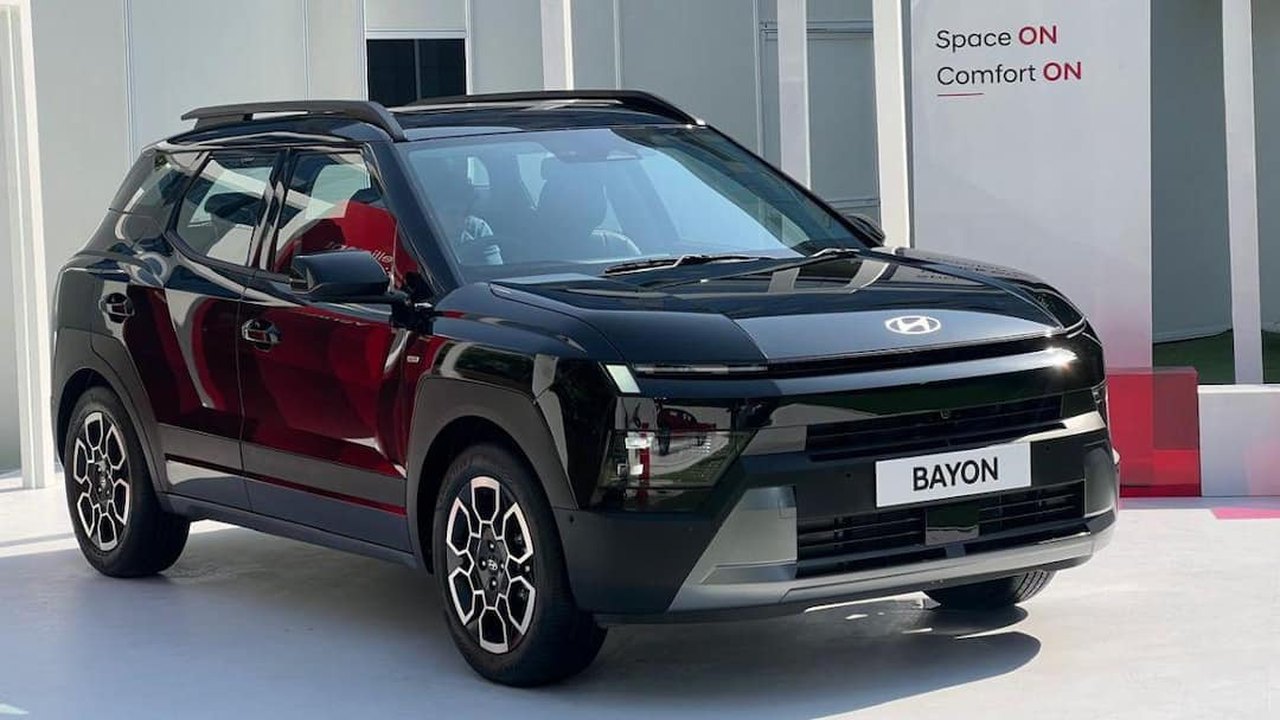
Image: Somnath Chatterjee — Creative Commons
Introduction
Hyundai has introduced the Bayon, a new compact SUV designed to slot between the Venue and the Creta in the Indian market. The model aims to address a growing demand for vehicles that offer more space and features than the entry-level Venue but remain more affordable and maneuverable than the larger Creta. This first-look review, published by ABP Live, provides early insights into the Bayon’s dimensions, design language, interior appointments, powertrain options, and safety technology.
Dimensions and Positioning
The Bayon measures approximately 4.2 meters in length, making it 230 mm longer than the Venue and 85 mm shorter than the Creta. Surprisingly, it is wider than the Creta, which should translate to improved shoulder room for passengers. The wheelbase and overall proportions are tuned to deliver a crossover stance that eases ingress and egress while maintaining a commanding driving position—though the seat height is slightly lower than that of the Creta. Ground clearance stands at 205 mm, and the SUV rides on 17-inch alloy wheels, reinforcing its capability on varied road surfaces.
Exterior Design
Hyundai has given the Bayon a radical, modern appearance that distinguishes it from its siblings. The front fascia features slim, L-shaped daytime running lights (DRLs) paired with LED headlamps, creating a sharp visual signature. Body cladding around the wheel arches and lower doors adds a rugged aesthetic, while the overall silhouette leans more toward a crossover than a traditional boxy SUV. The design is less upright than the Creta, contributing to a sleeker profile without sacrificing interior volume.
Interior and Features
Inside, the Bayon adopts a high-quality cabin with an airy ambiance. The dashboard houses a 12.3-inch digital instrument cluster and a matching touchscreen infotainment system, complemented by a vertical center console. While soft-touch materials are not abundant, the general fit and finish are reported to be of a high standard. The steering wheel incorporates the latest Hyundai design with Morse-code-style controls.
Key features include a 360-degree camera, ventilated front seats, a panoramic sunroof, an electric parking brake, power-adjustable driver’s seat, blind-view monitor, and rear-seat recline functionality. The infotainment system supports an AI-based voice assistant capable of understanding regional languages. Boot capacity is rated at 505 liters, though a powered tailgate release is not offered. Rear accommodation is generous, though the review notes the Bayon is effectively a four-seater for optimal comfort, lacking some amenities like sunblinds found in the Creta.
Powertrain and Performance
At launch, the Bayon is offered solely with a 1.5-liter naturally aspirated four-cylinder petrol engine producing 115 bhp. Transmission choices comprise a 6-speed manual gearbox and an iVT (intelligent Variable Transmission) automatic with steering-mounted paddle shifters. A notable addition is a "boost mode" that delivers a temporary performance surge when the accelerator is fully depressed. Notably absent are diesel, turbo-petrol, hybrid, or CNG variants—options that are available on the Venue and Creta. This limits the Bayon’s appeal to buyers specifically seeking a conventional petrol automatic or manual SUV.
Safety and ADAS
The Bayon comes equipped with ADAS Level 2 features, marking a significant step up in active safety for this segment. The suite includes functions such as adaptive cruise control, lane-keeping assist, and autonomous emergency braking. In addition, all expected standard safety features—multiple airbags, ABS with EBD, electronic stability control, and more—are included as standard across the range.
Uncertainties and What to Watch
Several details remain unconfirmed in this early review. Pricing, variant-wise feature distribution, official launch timeline, and fuel-efficiency figures have not been disclosed. The absence of turbocharged or alternative-fuel powertrains may affect the Bayon’s competitiveness in a market increasingly leaning toward turbo-petrol and CNG options. Real-world driving dynamics, ride quality, and long-term reliability will only be validated once the vehicle undergoes comprehensive road tests and reaches customers.
Verification and Official Source
Readers can verify the specifications, features, and observations mentioned above by referring to the original first-look review published by ABP Live. The article is authored by automobile journalist Somnath Chatterjee and is accessible at the following official URL: https://news.abplive.com/auto/hyundai-bayon-first-look-review-1873207. As this is a preliminary review based on a static or short-drive experience, prospective buyers should await detailed instrumented tests and official brochures before making a purchase decision.
AI-assisted reporting; source claims are attributed and have not been independently verified.
More to read
 Genesis Magma Racing Confirms Full Driver Lineup for 2027 FIA WEC Season
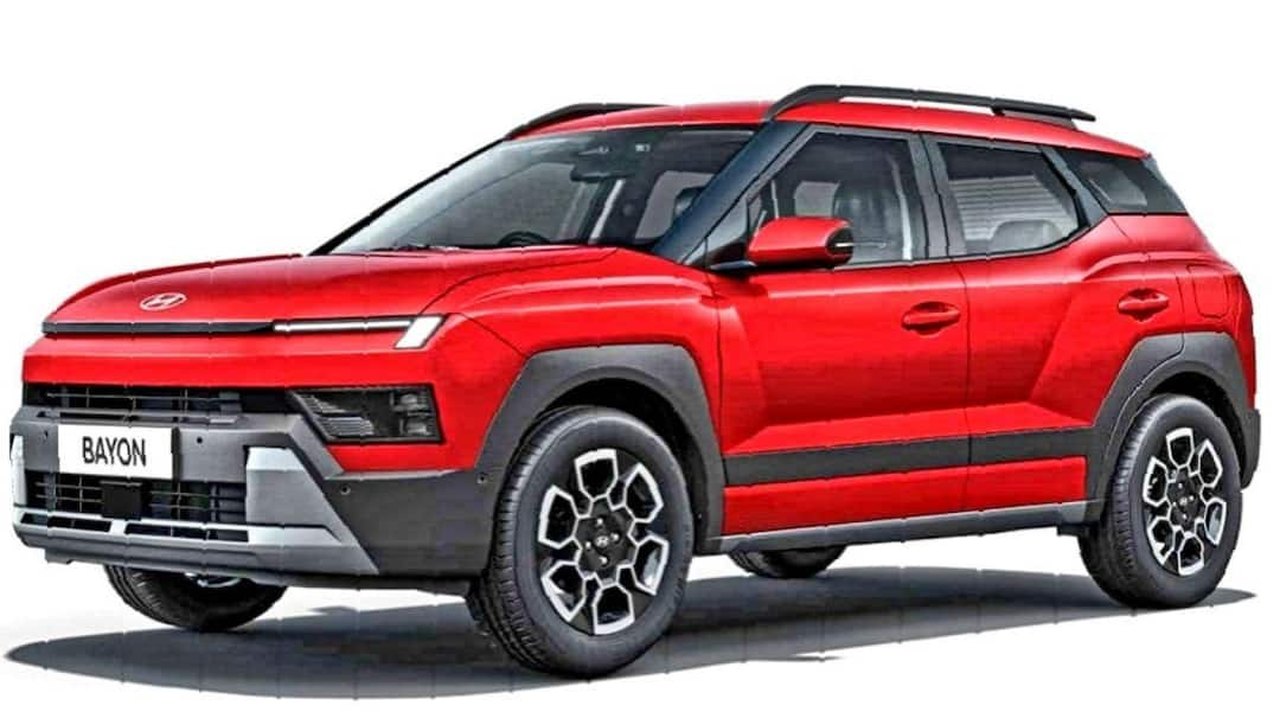 Hyundai Bayon vs. Creta: Comparing Dimensions, Performance, and Pricing for the Indian Market
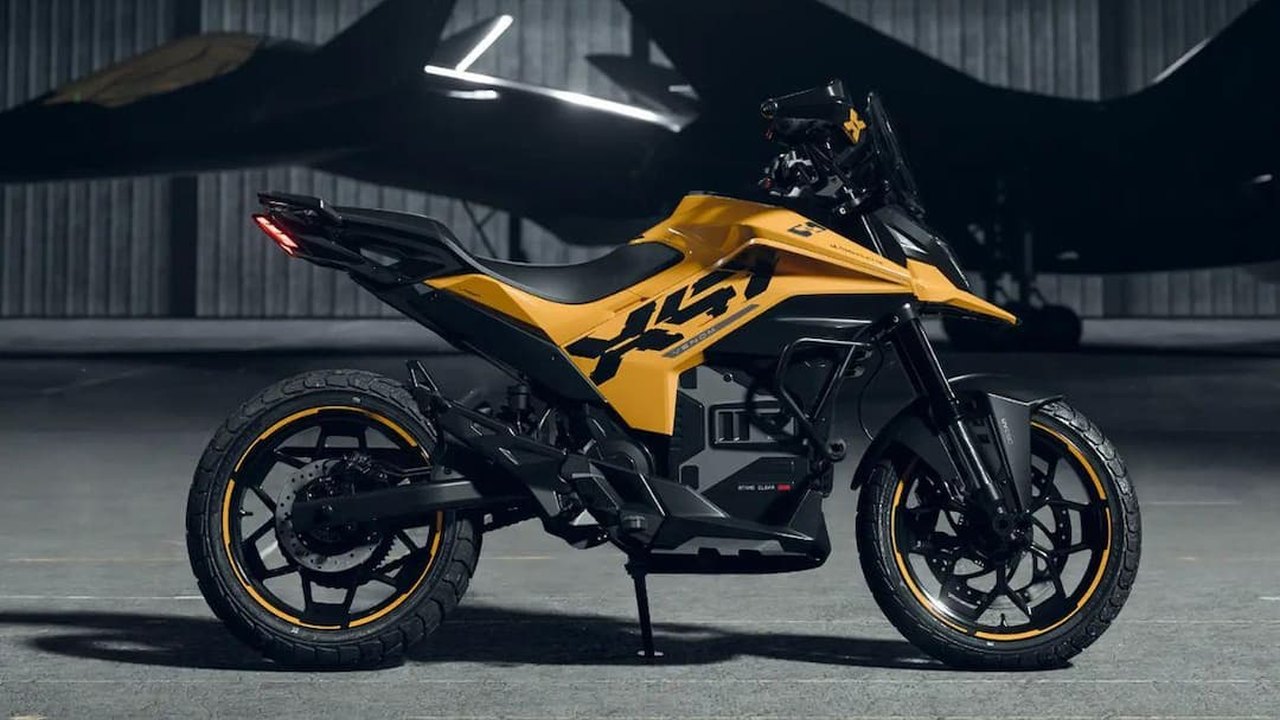 Ultraviolette Unveils X-47 Venom: A Shift Toward the Modular VX 100 Platform
 New Government Regulations Pave Way for E100 Flex-Fuel Vehicles in India
Trending on GlobeWire Daily
Selected from recent coverage and related topics; not live search rankings.
 Global Anti-Data Center Movement Offers Lessons for US Communities Facing AI Infrastructure Boom
 Campaigners Warn Government Over Cumulative Climate Impact of Pending Policy Decisions
 India’s Oscar Entry ‘Gondhal’ Debuts Global Trailer as Awards Campaign Intensifies
 Bharat Biotech and VeGen Bio Partner to Advance CAR-T Cell Therapy for Multiple Myeloma with 2028 Indian Launch Target
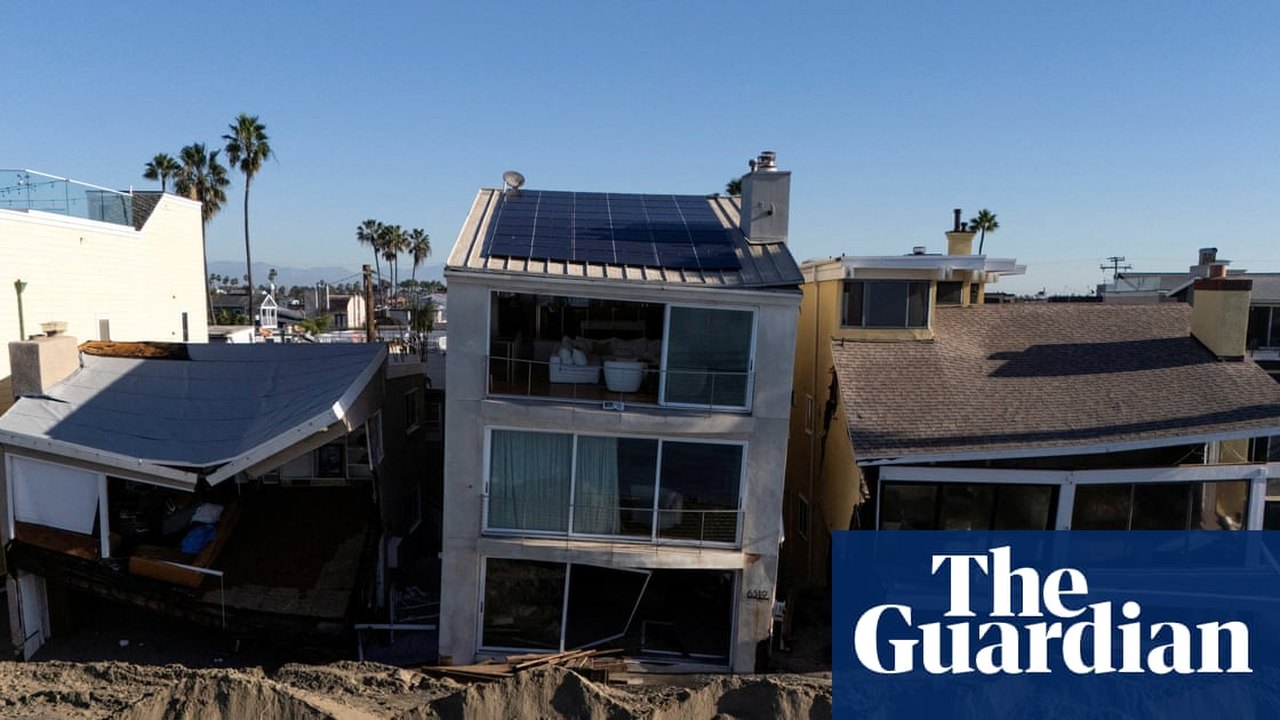 California Coastal Communities Brace for Record-Breaking Tides
 India Sets New Men's T20I Powerplay World Record Against New Zealand